Kenyan Maternity Cover Stops at Vaginal Birth While C-Section Recovery Goes Uninsured
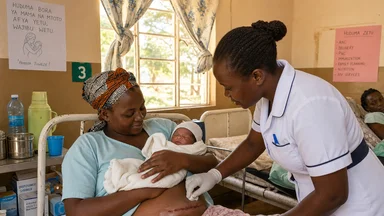
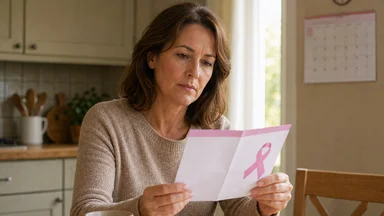
When Grace Akinyi gave birth to her first child in a Nairobi public hospital in 2024, she had planned for a vaginal delivery covered by Kenya's Linda Mama program. But after 18 hours of obstructed labor, an emergency cesarean section became necessary. The surgery saved her baby's life, but it also pushed her into a policy gap: Linda Mama's roughly US$30 contribution toward the C-section covered only a fraction of the total cost—some hospitals charge US$200–300 for the procedure. Akinyi was discharged with a wound that later became infected, and she could not afford the follow-up care. She is one of thousands of Kenyan mothers each year who discover that public maternity insurance stops at the vaginal birth, while C-section recovery goes largely uninsured.
The Vaginal-Birth Insurance Ceiling
Kenya's Linda Mama program, launched in 2013, aims to provide free maternity care to all women in public facilities. For an uncomplicated vaginal delivery, the scheme covers the full cost—antenatal care, skilled birth attendance, and basic postnatal checks for the baby. But the moment a birth requires surgery, the coverage changes. The program classifies cesarean sections as a surgical procedure, not a maternity service, and caps its contribution at roughly US$30. The actual cost of a C-section in a public hospital ranges from US$200 to US$300, leaving a balance that mothers must pay before discharge.
This ceiling creates a perverse incentive: hospitals may prioritize vaginal deliveries or pressure mothers to pay upfront for C-sections. In rural facilities, where the average monthly income is around US$100, the gap is often insurmountable. Women have been detained in wards for days after discharge because they cannot settle the bill. Some leave against medical advice, risking complications. A 2022 report by the Kenyan Ministry of Health documented over 200 cases of maternal detention in public hospitals across five counties, with the majority linked to unpaid C-section bills. The practice is illegal under Kenyan law, but enforcement is rare, and hospitals argue they need the revenue to cover surgical supplies.
The policy also excludes postpartum care for the mother after a C-section. Linda Mama covers a six-week checkup for the baby—vaccinations, growth monitoring—but offers nothing for the mother's wound care, pain management, or screening for infection. A vaginal birth might require minimal follow-up, but a C-section is major abdominal surgery with a recovery period of six to eight weeks. Without insurance for that recovery, women are left to manage bleeding, wound infections, and sometimes sepsis on their own. The Kenyan National Commission on Human Rights highlighted this gap in a 2023 report, calling it a violation of the right to health.
Why C-Section Is Medically Necessary Yet Financially Punished
Kenya's C-section rate sits at roughly 10 percent nationally, though in urban private hospitals it can exceed 30 percent. The World Health Organization suggests a population-level C-section rate of 10–15 percent is optimal, but the equity dimension matters: emergency C-sections are often unavoidable for obstructed labor, fetal distress, or placental complications. For women who have had a previous C-section, a repeat elective section is recommended to avoid uterine rupture during labor. Both indications are medically necessary, yet insurance treats them identically—as a surgical event with minimal coverage.
The financial punishment falls hardest on women who need emergency C-sections. They may arrive at a facility in labor, unable to plan or save for the surgery. Rural women often travel long distances to reach a hospital with surgical capacity, only to be told they must pay before the operation. Some facilities require a deposit—sometimes half the estimated cost—before wheeling a woman into the operating theater. Delays in payment translate directly into delays in care, increasing the risk of maternal death. A 2023 study in the African Journal of Reproductive Health found that payment delays of more than two hours were associated with a 40 percent higher odds of maternal death among emergency C-section patients in Kenyan public hospitals.
Elective repeat C-sections, while planned, are not spared. Women who have had one C-section are often advised to schedule a repeat surgery at 39 weeks to avoid labor. But if they rely on Linda Mama, they face the same coverage gap. Some opt for a trial of labor after C-section (TOLAC) to avoid the cost, even when their clinical history suggests that is risky. A 2024 analysis from the Kenya Medical Research Institute found that among women with a previous C-section who attempted TOLAC in public facilities, nearly one in five experienced uterine rupture or dehiscence, a complication that is often fatal without emergency surgery. The choice between financial burden and medical safety should not exist, but for many Kenyan mothers, it does.
Policy Gap: Postnatal Care Covers Only the Baby
Linda Mama's postnatal package is explicitly baby-focused: six weeks of immunization, growth monitoring, and vitamin A supplementation. The mother's health is largely invisible. After a C-section, the standard recommendation includes a wound check at one week, a full postpartum visit at six weeks, and possibly physiotherapy for abdominal muscle recovery. None of that is covered. The Kenya Medical Association flagged this gap in a 2024 policy brief, noting that the program's design "treats childbirth as an event for the child, not the mother."
The consequences are clinical. Wound infections after C-section occur in roughly 5–10 percent of cases in low-resource settings, but without insurance for follow-up, many women only return to the hospital when the infection has become severe—sometimes with sepsis. A 2023 WHO study linked insurance gaps to maternal mortality in East Africa, estimating that timely treatment of postpartum complications could prevent up to 30 percent of deaths. In Kenya, a 2024 retrospective cohort study at a tertiary hospital in Nairobi found that women who delivered by C-section and had at least one postnatal visit within two weeks had a 60 percent lower risk of readmission for wound complications compared to those who did not.
Breastfeeding support is another missing piece. Women recovering from C-section often need help positioning the baby to avoid pain at the incision site. Lactation consultants are rarely available in public facilities, and home visits are not covered. The result is lower breastfeeding rates among C-section mothers in some studies, which affects infant health as well. A 2023 survey by the Kenyan Ministry of Health found that only 45 percent of women who had a C-section initiated breastfeeding within one hour of birth, compared to 65 percent of those with vaginal delivery, partly due to pain and lack of support.
Wealth Split: Private Insurance vs. Public Crumbs
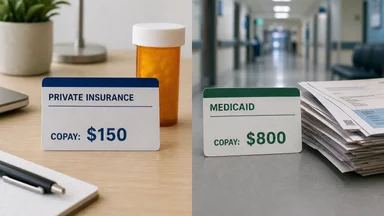
The gap in public insurance creates a stark wealth divide. In Nairobi, women with private health plans—often through employer-sponsored schemes—receive full coverage for C-sections, including the surgery, hospital stay, and postoperative follow-up. They can choose a surgeon, a private room, and a six-week recovery without financial worry. For them, a C-section is a managed medical event. A 2024 survey by the Kenya Private Sector Alliance found that over 80 percent of private insurance plans in Kenya cover C-section as part of a standard maternity benefit, with no copayment for the mother.
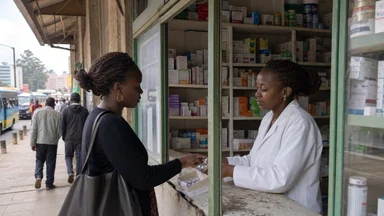
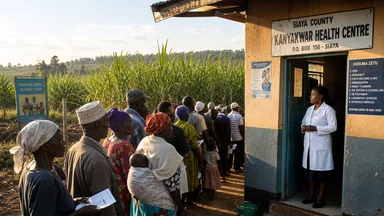
For women in rural areas, the picture is different. They depend on Linda Mama or pay out-of-pocket. The cost of a C-section in a rural public hospital—US$200–300—is equivalent to two to three months of income for a farming household. Some women sell livestock or take loans to pay. Others simply do not have the money and are discharged early, sometimes with a wound that has not been checked. A 2024 study in the East African Medical Journal found that over 60 percent of women who had a C-section in public facilities reported delaying postoperative care due to cost. The same study found that women in the lowest wealth quintile were three times more likely to report a major complication after C-section compared to those in the highest quintile, even after adjusting for clinical factors.
Delayed payments also affect hospitals. Facilities in rural areas operate on thin margins and sometimes require cash upfront for surgical supplies. A mother who cannot pay may be transferred to a lower-level facility that cannot manage a C-section, or she may be sent home. Maternal sepsis cases have been documented in which a woman presented with a wound infection after C-section, was turned away from a hospital because she could not pay, and returned days later in critical condition. A 2023 case series from the Kenya Medical Association described three such cases, two of which resulted in death. The association argued that the policy effectively criminalizes poverty, punishing women for being unable to afford care that the government promised to provide.
The Clinical Consequence: Avoidable Mortality
Kenya's maternal mortality ratio stands at roughly 530 deaths per 100,000 live births, one of the highest in the world. C-section complications contribute an estimated 15 percent of these deaths—a proportion that experts say is preventable with better insurance coverage. The most common causes are postpartum hemorrhage, sepsis from wound infections, and complications of anesthesia. All are treatable if caught early, but the financial barrier delays care.
A 2023 WHO multi-country analysis found that women who delivered by C-section in low-income settings had a threefold higher risk of death compared to those with vaginal delivery, even after adjusting for medical complexity. The authors attributed part of that excess risk to gaps in postoperative care—exactly the gap that Linda Mama leaves uninsured. In Kenya, the risk is compounded by geography: rural women who survive a C-section but develop a complication may have to travel hours to the nearest hospital that can treat them, and they may not have the money for transport. A 2024 study in BMC Pregnancy and Childbirth found that the median travel time to a hospital with surgical capacity for women in rural Kenya was 2.5 hours, and that each additional hour of travel was associated with a 15 percent increase in odds of maternal death after C-section.
Anecdotal reports from clinicians are grim. Obstetricians in public hospitals describe women arriving with advanced wound infections, with pus draining from incisions that were never checked. Nurses tell of mothers who left the hospital against medical advice because they could not pay, only to return weeks later with sepsis. One 2024 case series from a county hospital in western Kenya documented three maternal deaths within a month, all following C-sections, all with delayed treatment of complications linked to cost. The hospital's medical superintendent told a local journalist that at least two of those deaths could have been prevented if the women had access to a free postoperative checkup.
A Modest Fix: Bundled Maternity Benefit
The solution is not radical—it is a bundled maternity benefit that covers the full event of childbirth, from prenatal care through the postpartum period, regardless of delivery mode. Rwanda's Mutuelles de Santé community-based health insurance covers C-sections fully, with a minimal copayment. Ghana's National Health Insurance Scheme includes a surgical delivery package that covers the procedure and a standard hospital stay. Both countries have maternal mortality ratios lower than Kenya's, though other factors also contribute. Rwanda's maternal mortality ratio has dropped from roughly 500 per 100,000 in 2010 to about 250 per 100,000 in 2023, partly due to comprehensive insurance coverage for C-sections and postnatal care.
Kenya's proposed Social Health Insurance Fund (SHIF), part of the 2023 Health Act, aims to replace the fragmented public schemes with a single fund that would cover all essential health services, including maternity care. Actuaries estimate that adding full C-section coverage and postnatal care for mothers would increase the per-person premium by less than US$1 per month—a modest increase for a potentially large impact. But the SHIF has been delayed by political wrangling and administrative hurdles. The current timeline suggests implementation no earlier than 2027, if political will holds. Some policy experts argue that the delay is a missed opportunity: every year of delay means thousands of women continue to face the gap.
Critics argue that simply expanding coverage without addressing supply-side constraints—such as shortages of skilled staff, surgical supplies, and blood banks—will not reduce mortality. They point out that even if insurance covers a C-section, a woman in a remote area may not have access to a facility that can perform one safely. A bundled benefit must be paired with investments in infrastructure and human resources. But the insurance gap is the more tractable problem: it can be closed by policy change alone. A 2024 cost-effectiveness analysis by the Kenyan Ministry of Health found that covering full C-section costs under Linda Mama would prevent an estimated 300 maternal deaths per year at a cost of roughly US$1,500 per death averted—a cost that compares favorably to other public health interventions.
What Clinicians Want Now
The Kenya Obstetrical and Gynaecological Society has called for an immediate revision of Linda Mama's benefit package to include full C-section coverage and at least one postoperative visit for the mother. In a 2024 position statement, the society noted that the current policy "discriminates against women who need surgical delivery and places them at risk of avoidable complications." They recommend a bundled payment that covers the surgery, a three-day hospital stay, and a wound check at one week. The society also advocates for a standardized national protocol for postnatal care after C-section, including screening for wound infection, pain management, and breastfeeding support.
In the absence of policy change, some hospitals have created informal payment plans. Mothers who cannot pay the full C-section cost are allowed to make installments over several months. But this is not scalable or reliable—a hospital administrator in a county facility told a local newspaper that the payment plan model is "a charity, not a system." Others rely on local NGOs that fund C-section kits—surgical gloves, sutures, antiseptic—in three counties. These programs help a few hundred women per year, but they are a drop in the bucket. A 2024 estimate by the Kenya Health Federation suggested that less than 2 percent of women who need financial assistance for C-section receive it from charitable sources.
Nurses report a heartbreaking pattern: mothers who survive a C-section but leave early because of cost often return with complications that could have been prevented. One nurse in Kisumu described a woman who walked 20 kilometers to the hospital with a wound infection, only to be told she needed to pay for treatment. She had no money and went home. She died three days later. Stories like these are why clinicians want a policy fix, not a patch. The evidence is clear, the cost is modest, and the moral case is overwhelming. What is missing is the political will to close the gap.
Beyond Insurance: The Need for Integrated Care
While insurance reform is critical, some experts caution that it is only one piece of the puzzle. Dr. Mary Wanjiku, an obstetrician at a county hospital in Nakuru, argues that even if Linda Mama covered C-sections fully, many women would still struggle to access quality care. "We have a shortage of anesthetists in rural areas. We have operating theaters that are not functional. We have blood banks that are empty," she said in a 2024 interview with a health policy journal. "Insurance doesn't fix those problems." Indeed, a 2023 audit by the Kenyan Ministry of Health found that only 40 percent of public hospitals designated as C-section-capable had a functional operating theater at all times, and only 30 percent had a consistent supply of blood for transfusions.
This points to a need for a systems approach: insurance reform must be accompanied by investments in infrastructure, staffing, and supply chains. The Kenyan government has committed to increasing the number of skilled birth attendants and upgrading facilities, but progress has been slow. A 2024 report by the World Bank noted that Kenya spends roughly 4 percent of its GDP on health, below the 5 percent threshold recommended for low-income countries. Without adequate funding, even the best insurance policy cannot guarantee safe outcomes.
Nevertheless, the insurance gap remains the most immediate barrier for women like Grace Akinyi. For her, the difference between a vaginal birth and a C-section was the difference between being fully covered and being left to fend for herself. Until the policy changes, thousands of Kenyan mothers will continue to face that same choice—a choice between financial ruin and medical risk. The question is whether the government will act before more women die from a condition that is entirely preventable with the right coverage.
This article is for informational purposes only and does not constitute medical or financial advice. Readers should consult a qualified professional for personalized guidance.