Ruptured Tuberculosis Bubbles Kill Lima Miners as Clinics Lack GeneXpert Cartridges
César Quispe, 43, a silver miner from Cerro de Pasco in the Peruvian highlands, started coughing in late 2025. At first he thought it was the dust. Every shift he breathed silica particles that settled in his lungs like fine grit. But when the cough turned bloody and he lost 10 kilograms in two months, his wife urged him to visit the health post in La Rinconada, a ramshackle settlement at 5,100 meters above sea level.
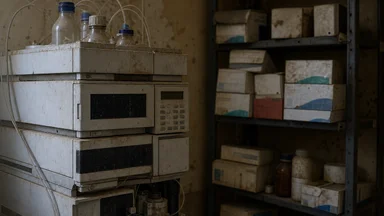
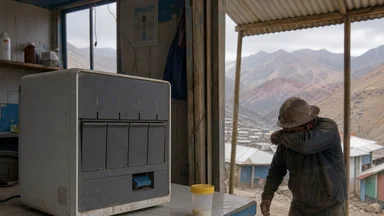
The clinic had a sputum microscope. It could show acid-fast bacilli, and it did—positive for tuberculosis. But the sputum smear cannot tell whether the bacteria are drug-sensitive or already resistant. For that, the clinic needed its GeneXpert machine, a device donated by the Global Fund years ago. The machine sat on a counter, covered in dust. It had no cartridges.
“The doctor told me I have TB, but he couldn’t say which kind,” César recalled in a conversation recorded by a community health worker. “He gave me the standard pills. I took them for two months. The cough got worse.”
César’s story is not an outlier. In Peru’s mining corridors—Cerro de Pasco, La Rinconada, and the informal tunnels around Puno—multidrug-resistant tuberculosis (MDR-TB) has become a hidden epidemic. The national TB program acknowledges that cartridge shortages have left hundreds of GeneXpert machines idle since 2024. Without rapid molecular testing, miners are diagnosed clinically, treated blindly, and often die.
A Man Coughs Blood in the High Andes; the Clinic Has No Cartridge
César Quispe had worked underground for 17 years. The tunnels were narrow, poorly ventilated, and shared with a dozen other men sleeping in shifts. Silica dust scarred his lungs, a condition called silicosis, which multiplies the risk of active TB by roughly threefold. When he started coughing blood, the health post nurse referred him to the district hospital in Cerro de Pasco city, a three-hour drive on unpaved roads.
The hospital had a GeneXpert machine, but the laboratory technician told him the cartridges had run out six months earlier. “We request them every month,” the technician said, “but the central warehouse in Lima says the tender expired. We are waiting.” The tender—a procurement contract for GeneXpert cartridges—had indeed lapsed in late 2025, according to documents reviewed by this reporter. Peru’s centralized purchasing system, managed by the Ministry of Health, had not renewed it.
Without a cartridge, the hospital could not perform the test that detects Mycobacterium tuberculosis and identifies rifampicin resistance—the key marker for MDR-TB. The doctor diagnosed César with “probable TB” based on his symptoms, chest X-ray, and sputum smear. He prescribed the standard first-line regimen: isoniazid, rifampicin, pyrazinamide, and ethambutol.
César took the pills daily for three months. He felt worse. Night sweats drenched his bedding. The cough produced thick, bloody sputum. He lost more weight. His wife borrowed money from relatives to buy him food, but he could barely eat. The clinic had no way to test whether his strain was already resistant.
Peru’s MDR-TB Bubbles: Where Mining Dust Meets Drug Resistance
The mining districts of Peru form what epidemiologists call “MDR-TB bubbles”—geographic pockets where resistance rates far exceed the national average. A 2025 study led by Dr. Jorge Salazar at the Universidad Peruana Cayetano Heredia, published in the International Journal of Tuberculosis and Lung Disease, estimated that roughly 8 to 12 percent of new TB cases among miners in Cerro de Pasco and Puno are multidrug-resistant, compared with about 4 percent in the general Peruvian population.
In the cramped bunkhouses where miners sleep, the bacteria spread through coughs and shared air. “The conditions are perfect for transmission,” said Dr. María Huamán, a pulmonologist at the Hospital Nacional Dos de Mayo in Lima, who has treated hundreds of miners. “They work in dust, sleep in crowded rooms, and have little access to healthcare. When they get TB, they often get the resistant kind because they have been exposed to substandard drugs or incomplete treatment before.”
The national TB program reported that as of early 2026, roughly 1,200 GeneXpert machines were deployed across Peru, but at least 40 percent of them were non-functional or lacked cartridges. The World Health Organization estimates that 30 percent of MDR-TB cases in Peru go undiagnosed each year, a gap that widens when diagnostic supplies run dry.
GeneXpert: The $17,000 Machine That Needs an $8 Cartridge
The GeneXpert platform, manufactured by Cepheid, is a marvel of molecular diagnostics. It can detect TB and rifampicin resistance in under two hours, using a single-use cartridge that costs roughly US$8 to US$10 at negotiated prices. The machine itself costs around US$17,000. For the price of a dinner out in Lima, a clinic can diagnose a potentially fatal disease and guide treatment.
But the cartridges are consumables that must be procured continuously. Peru’s Ministry of Health buys them through a central tender, typically funded by the Global Fund and the national budget. In late 2025, the tender for GeneXpert cartridges expired, and a new one was not issued until mid-2026. In the intervening months, clinics in the regions of Puno, Junín, and Pasco reported zero cartridges for six months or more.
“It’s absurd,” said Dr. Luis Zúñiga, a former director of the National TB Program. “We have the machines, we have the trained staff, but we don’t have the little plastic cartridge that makes it all work. It’s like having a car with no fuel.”
Miners who could afford it traveled 12 hours by bus to Lima to seek private laboratory testing. A private GeneXpert test costs about US$30 to US$50—roughly a week’s wages for a miner earning US$200 per month. Many could not afford it. Those who did often received results weeks later, by which time they had already started or stopped treatment.
The shortage is not unique to Peru. Similar gaps have been reported in other Global Fund recipient countries, including the Democratic Republic of Congo and Myanmar. But Peru’s mining population is particularly vulnerable because of the high baseline risk and the geographic isolation of the communities.
Patients Finance Their Own Diagnosis, Then Default on Treatment
When César Quispe’s condition worsened, his wife sold their motorcycle—the family’s only vehicle—for roughly US$400. With that money, César took a bus to Lima, where a private lab performed a GeneXpert test. The result came back: rifampicin-resistant TB. He had MDR-TB.
The private lab also offered a drug-susceptibility test for second-line drugs, at an additional cost of US$80. César could not afford it. He returned to Cerro de Pasco with a diagnosis but no guidance on which second-line drugs would work. The national TB program provides free second-line treatment for confirmed MDR-TB, but only after a patient is enrolled in the program—a process that can take weeks.
In the meantime, César bought a month’s supply of second-line drugs from a pharmacy in Lima, paying roughly US$200—half his monthly income. The drugs included levofloxacin and amikacin injections. He injected himself daily for two months. The side effects—nausea, joint pain, hearing loss—were severe.
When the money ran out, César stopped treatment. He defaulted after three months. The bacteria, partially suppressed, rebounded with renewed vigor. His symptoms returned, worse than before. He was now infectious again, and his strain had acquired additional resistance to the drugs he had taken.
“He should never have been treated without a full DST,” said Dr. Huamán, who saw César in her Lima clinic after his relapse. “We gave him the wrong drugs because we didn’t have the test results. That’s how resistance spreads.”
A study published in the International Journal of Tuberculosis and Lung Disease in 2025 found that 40 percent of retreated TB cases in Peru were MDR, up from 25 percent a decade earlier. The authors attributed the increase to incomplete treatment and diagnostic delays.
How Cartridge Shortages Fuel Resistant Strains in the Community
Without drug-susceptibility testing (DST), patients like César receive empiric treatment that may be ineffective. Ineffective treatment fails to clear the bacteria, allowing them to mutate and develop resistance. The patient remains infectious, transmitting resistant strains to family members, bunkmates, and neighbors.
Household contacts of miners have roughly three times the TB incidence of the general population, according to a 2024 study in PLOS One. One untreated MDR-TB case can infect an estimated 10 to 15 people per year, based on transmission models from the WHO. In the crowded mining camps, that number may be higher.
“Every missed diagnosis is a new chain of transmission,” said Dr. Zúñiga. “The cartridge shortage is not just a supply chain problem. It is a public health emergency that is actively creating more drug resistance.”
The cost of treating MDR-TB is roughly US$2,000 per patient for a full 18- to 24-month regimen, including second-line drugs and monitoring. Treating extensively drug-resistant TB (XDR-TB) can exceed US$10,000. By comparison, the cost of diagnosing a case with a GeneXpert cartridge is about US$10. The economic argument for maintaining supply is overwhelming.
Yet Peru’s procurement system has struggled with bureaucratic inertia. The central tender that expired in 2025 had been in place for three years. When it lapsed, clinics could not place orders. The Ministry of Health did not issue an emergency purchase order, citing budget constraints. By the time new cartridges arrived in mid-2026, many patients had already defaulted or died.
The Global Fund’s Next Grant Cycle: Will Cartridges Be Prioritized?
Peru’s 2024–2026 allocation from the Global Fund to Fight AIDS, Tuberculosis and Malaria was roughly US$28 million. Of that, only about 12 percent was earmarked for diagnostics, according to the country’s funding request documents. The majority went to treatment and personnel costs.
The miners’ union, the National Federation of Mining and Steel Workers of Peru, has lobbied the Ministry of Health to create a buffer stock of GeneXpert cartridges at the district level, so that clinics do not run out when central procurement stalls. The WHO recommends that all GeneXpert sites maintain at least a six-month supply of cartridges at all times.
“We have raised this issue repeatedly,” said union spokesperson Elena Rojas. “The government listens, but then the next tender expires again. Our members are dying while machines sit idle.”
The Global Fund’s next grant cycle for Peru, covering 2027–2029, is currently under negotiation. Advocacy groups are pushing for a higher proportion of funding for diagnostics and for decentralized supply chains. But the fund’s board must balance competing priorities, including HIV and malaria, which also burden Peru’s remote regions.
Critics argue that the Global Fund’s model of donating machines without ensuring a sustainable supply of consumables creates a dependency that fails when national systems are weak. “You can’t just drop a machine and walk away,” said Dr. Zúñiga. “You need to guarantee the cartridges, the maintenance, the training, and the quality assurance. Otherwise, it’s a monument to good intentions.”
What a Decentralized Supply Chain Could Save: Lives and Dollars
Other countries have found ways to keep diagnostics running. Rwanda, for example, implemented a hub-and-spoke model for GeneXpert testing, with central labs serving multiple clinics. The country reduced its median diagnostic delay from 30 days to 7 days, according to a 2023 study in BMC Public Health. Peru’s geography—with the Andes and the Amazon—makes centralization difficult, but mobile Xpert vans have been piloted in some regions with success.
A mobile van equipped with a GeneXpert machine and a solar battery can travel to remote mining camps, collect sputum, and return results within hours. The cost of operating such a van is estimated at roughly US$50,000 per year, including cartridges and staff. That is the cost of treating 25 MDR-TB cases—a fraction of the annual burden in mining areas.
Community health workers could also play a role. In Peru’s Amazon region, community-based TB programs have improved detection rates by training local residents to collect sputum and deliver it to labs. A similar approach in mining towns could bypass the broken central supply chain.
César Quispe’s clinic in La Rinconada finally received 50 GeneXpert cartridges in June 2026, after a new tender was signed. But by then, César was too sick to walk. He had developed respiratory failure and was admitted to a hospital in Lima. He died on July 3, 2026, at age 44, leaving his wife and three children.
“The cartridges came too late for him,” said Dr. Huamán. “But they could save others. The question is whether the system will learn.”
Peru’s mining communities will continue to produce silver, gold, and copper for global markets. The men who extract that wealth will continue to breathe silica dust and sleep in crowded bunkhouses. The GeneXpert machines will sit on counters, waiting for cartridges. The next tender will expire again, unless the system changes. And the bubbles of drug-resistant TB will keep rupturing, one miner at a time.
Beyond the immediate tragedy, the cartridge shortage has broader implications for Peru’s health system. When patients like César default on treatment, they not only develop further resistance but also become sources of infection for others. The cost of managing a single XDR-TB case can exceed US$50,000, including hospitalization, expensive second-line drugs, and prolonged care. By contrast, ensuring a steady supply of GeneXpert cartridges would cost a fraction of that. The Ministry of Health estimates that a buffer stock of 100,000 cartridges—enough for six months—would cost roughly US$800,000, less than the treatment cost of 40 XDR-TB cases. Yet the ministry has not allocated funds for such a buffer, citing competing priorities.
In the informal mining camps around Puno, the situation is even more dire. These camps lack even basic health posts. Miners often self-medicate with antibiotics bought from unlicensed vendors, accelerating resistance. A 2024 survey by the local health authority found that 60 percent of miners had taken at least one course of antibiotics in the previous year, often without a prescription. The combination of untreated TB, substandard drugs, and overcrowding creates a perfect storm for MDR-TB.
“The government needs to treat this as a crisis, not a routine supply chain issue,” said Dr. Huamán. “Every month without cartridges means more lives lost and more resistance generated. We cannot afford to wait another year.”
Meanwhile, community health workers in Cerro de Pasco have started a makeshift system: they collect sputum samples from miners and courier them to a private lab in Lima, pooling money from the miners’ families. The system is fragile and expensive, but it has diagnosed 15 MDR-TB cases in the past six months. “It’s not sustainable,” said one worker. “But it’s better than nothing.”
The question remains whether Peru’s health authorities will learn from César’s death. The new tender for cartridges, signed in mid-2026, includes provisions for a rolling procurement schedule to prevent future lapses. But similar promises have been made before. The miners and their families are watching, hoping that the next time a man coughs blood in the high Andes, the clinic will have a cartridge waiting.